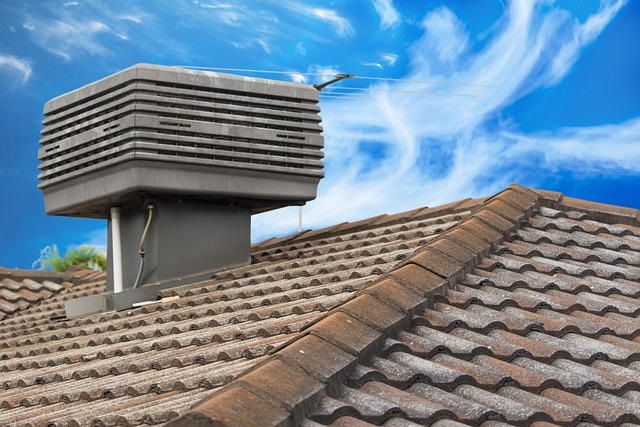
Few things are more frustrating than an HVAC system that suddenly stops working—especially during extreme weather. Whether your home feels too hot or too cold, a malfunctioning heating and cooling system can disrupt your comfort and daily routine. Understanding the common causes of HVAC issues and knowing when to call for professional heating and air conditioning repair can help you get things back on track quickly.
Common Reasons Your HVAC System Isn’t Working
- Thermostat Issues: Sometimes the problem is as simple as incorrect thermostat settings, dead batteries, or a faulty device.
- Dirty Air Filters: Clogged filters restrict airflow, making it harder for your system to operate efficiently.
- Tripped Circuit Breaker: Electrical issues can shut down your system unexpectedly.
- Refrigerant Leaks: Low refrigerant levels can prevent your air conditioner from cooling properly.
- Blocked or Dirty Coils: Evaporator and condenser coils need to be clean to function effectively.
- Worn-Out Components: Parts like motors, belts, and capacitors can wear down over time.
Signs You Need HVAC Repair
If your HVAC system isn’t working properly, you may notice these warning signs:
- Weak or no airflow from vents
- Unusual noises such as banging or grinding
- Inconsistent temperatures throughout your home
- Unpleasant odors when the system is running
- Unexpected increase in energy bills
Quick Troubleshooting Tips
Before calling a professional, there are a few simple steps you can take:
- Check your thermostat settings and replace batteries if needed
- Inspect and replace dirty air filters
- Ensure your circuit breaker hasn’t tripped
- Make sure vents and registers are not blocked
If these steps don’t resolve the issue, it’s best to contact a qualified HVAC technician.
The Importance of Professional HVAC Services
While minor issues can sometimes be fixed with basic troubleshooting, many HVAC problems require expert attention. Professional technicians have the tools and experience to diagnose complex issues and perform safe, effective repairs.
Regular maintenance and timely heating and air conditioning repair can prevent breakdowns, improve system efficiency, and extend the lifespan of your HVAC unit. Investing in professional services ensures your system runs smoothly when you need it most.
Preventing Future HVAC Problems
To avoid unexpected system failures, consider these preventive measures:
- Schedule routine HVAC inspections and maintenance
- Replace air filters regularly
- Keep outdoor units free from debris
- Address minor issues before they become major problems
Conclusion
An HVAC system that’s not working can quickly become a major inconvenience, but understanding the causes and solutions can help you respond effectively. From simple fixes to professional repairs, taking prompt action ensures your home stays comfortable year-round.
For reliable HVAC services and expert assistance, Get more information.